
For tile wholesalers, choosing between matte and glossy finishes is not just a design decision. It shapes target market fit, project suitability, as well as what to check before a bulk order. The key is to understand that matte describes a surface appearance, while glazed describes a surface treatment. A tile can be both matte and glazed, so comparing the two requires looking at the actual finish rather than treating them as opposites.
What Is the Difference Between Matte and Glazed Tile Finishes?
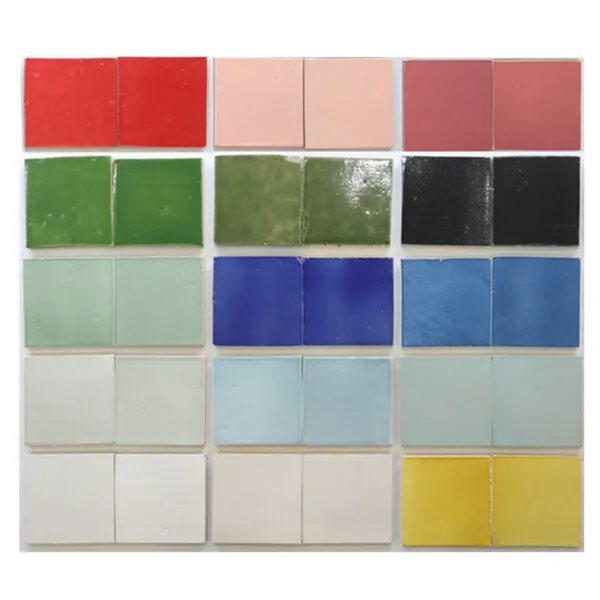
Matte tiles have a low-reflective surface, while glazed tiles have a surface layer applied during manufacturing; that glaze can be matte, satin, or glossy. Understanding this distinction helps wholesalers compare products accurately and avoid misleading customers.
Matte finishes diffuse light rather than producing pronounced reflections. They suit designs that emphasize subdued colors, understated textures, and a softer visual appearance. Glossy finishes reflect more light, which can make colors appear more vivid and create a brighter visual effect.
Glazing is a separate consideration. It can affect a tile’s surface durability, cleanability, and appearance, depending on the glaze formulation and product specifications. The Tile Council of North America (TCNA) explains that glazed and unglazed tiles can have different performance characteristics, so buyers should evaluate the individual product rather than assume every tile with a particular finish performs the same way.
The following comparison summarizes the main differences.
| Factor | Matte finish | Glossy glazed finish |
| Light reflection | Low, with limited glare | Higher, with more visible reflections |
| Visual effect | Subdued and understated | Bright and visually prominent |
| Design role | Works well in restrained, contemporary schemes | Suits decorative walls and spaces where color stands out |
| Cleaning considerations | Surface texture may affect how easily residue is removed | Smooth glazed surfaces are often easier to wipe clean |
| What to verify | Texture, stain resistance, and cleaning requirements | Glaze durability, cleaning requirements, and intended application |
These are general characteristics, not guarantees for every tile. For wholesale purchasing, the product’s technical data and an approved physical sample should take precedence over the finish name alone.
Which Tile Finish Works Best for Different Spaces?
The right finish depends on the room’s design goals, the tile’s intended use, and the performance requirements of the project. Wholesalers should recommend products based on these factors instead of assuming that one finish suits every application.
| Application | Finish to consider | What buyers should evaluate |
| Kitchen backsplash | Matte or glossy glazed | Color, grease and food-residue cleaning, and compatibility with the kitchen design |
| Bathroom wall | Matte or glossy glazed | Water exposure, cleaning needs, lighting, and the desired visual effect |
| Decorative feature wall | Either finish | Color variation, texture, pattern, and how the surface looks under different lighting |
| Restaurant or hotel interior | Depends on the location | Design consistency, maintenance requirements, traffic, and the product’s intended application |
| Floor in a wet area | A product specifically rated for the intended use | Slip resistance, water exposure, and applicable local requirements |
Matte Finishes: Project Suitability and Technical Verification
Matte finishes are worth considering when a project calls for a restrained appearance, limited glare, or a surface that does not draw attention through strong reflections. They can work particularly well in neutral interiors, minimalist kitchens, and contemporary bathroom designs.
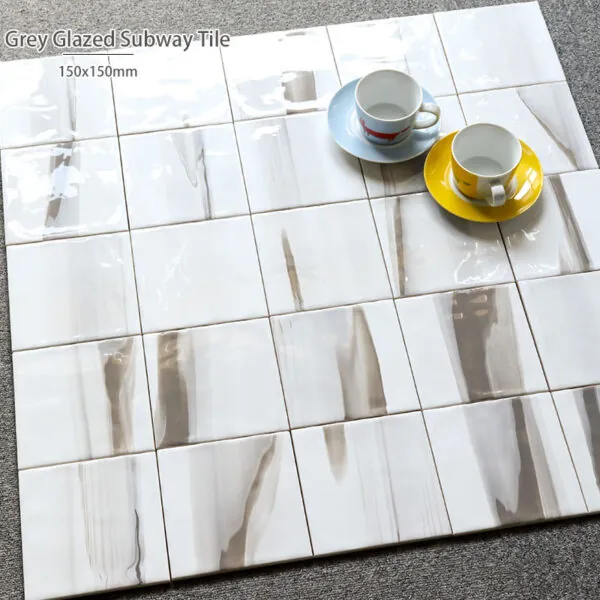
For wholesalers, matte subway tiles offer a way to serve customers who want the familiar rectangular tile format without a highly reflective finish. Neutral colors can fit a range of interior schemes, while different sizes and laying patterns allow buyers to develop distinct product collections.
However, a matte appearance does not automatically mean a tile is stain-resistant, easy to clean, or slip-resistant. Surface texture and material properties vary. Before recommending a tile for a kitchen floor or wet bathroom floor, check the manufacturer’s technical documentation for the relevant performance ratings.
When Are Glossy Glazed Tiles Worth Considering?
Glossy glazed tiles are suitable for projects where buyers want noticeable reflections, vivid color, or a more polished decorative effect. On a kitchen backsplash, for example, a glossy surface can make a colored tile more visually prominent against cabinets and countertops.
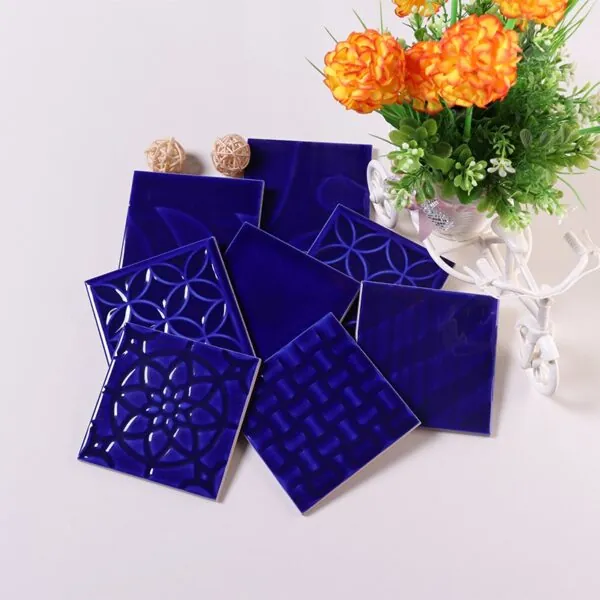
Glossy finishes can also help decorative wall tiles stand out in hospitality interiors, retail spaces, and residential feature areas. Their reflective quality may influence how a room appears under natural or artificial lighting, so sample evaluation is important.
Cleaning is another purchasing consideration. Smooth glazed surfaces are often straightforward to wipe, but grout lines, surface irregularities, glaze characteristics, and the type of residue all affect maintenance. Wholesalers should avoid promising that every glossy tile is stain-proof or requires little maintenance without supporting product data.
The distinction becomes particularly important for flooring. A glossy appearance alone does not determine slip resistance, just as a matte appearance does not guarantee it. The TCNA identifies product-specific performance and intended use as important considerations when selecting tile.
How Can Wholesale Buyers Choose the Right Tile Range?
Wholesale buyers should build a tile range around customer demand, intended applications, verified specifications, and manageable inventory rather than selecting products by appearance alone. A well-planned assortment gives customers meaningful choices without creating unnecessary overlap between similar products.
How Can Buyers Assess Product Demand and Specifications?
Start by identifying the main customers for each product line. Residential retailers may prioritize color choices and coordinated designs, while contractors and commercial project buyers may place greater emphasis on dimensions, installation requirements, maintenance, and consistent supply.
Next, compare products using a standard purchasing checklist:
- Design: Check color, surface finish, texture, edge treatment, and available sizes.
- Application: Confirm whether the tile is intended for walls, floors, or a specific environment.
- Performance: Request relevant technical data, including water absorption, stain resistance, and slip-resistance information where applicable.
- Consistency: Ask how production batches are checked for color variation, dimensional accuracy, and surface defects.
- Commercial terms: Confirm minimum order quantity, sample costs, lead time, packaging, shipping arrangements, and procedures for handling damaged goods.
For example, two white rectangular tiles may look similar in a photograph but differ in dimensions, edge finish, surface texture, or intended application. Comparing these details before ordering helps wholesalers avoid stocking products that appear interchangeable but serve different needs.
Samples should also be evaluated under different lighting conditions. A finish that looks subtle in a showroom may appear more reflective in a brightly lit kitchen. For larger orders, wholesalers should confirm the relationship between approved samples, production specifications, and the supplier’s batch-control process.
How Can JLA-Ceramic Support a Balanced Product Assortment?
JLA-Ceramic‘s subway tile and handmade tile categories provide two starting points for wholesalers developing collections for different design preferences. The appropriate choice depends on the specific product’s finish, dimensions, and intended application.
The JLA-Ceramic subway tile collection includes rectangular formats such as 50 × 200 mm, 60 × 240 mm, and 75 × 300 mm. These sizes give buyers options for building collections around classic rectangular layouts and different interior styles. However, wholesalers should confirm the finish available for each model rather than assume every listed size comes in a matte version.
The handmade tile collection includes products such as 100 × 100 mm handcrafted ceramic tiles and 50 × 150 mm handmade wall tiles. These formats can be considered for decorative ranges where size, color, and surface appearance are important to the design. Buyers interested in handmade glazed tiles should verify the glaze, surface finish, and production characteristics of the specific products they intend to stock.
JLA-Ceramic also offers custom tile design and original equipment manufacturer (OEM) services, including custom sizes, colors, finishes, and logos. These options may be relevant to wholesalers developing a private-label collection or sourcing tiles for a defined project. Before committing to a customized order, confirm minimum quantities, available finishes, sample approval procedures, production lead times, and quality-control requirements directly with the supplier.
A practical assortment does not need to include every available finish. Instead, select products that serve distinct customer needs, such as understated wall tiles, glossy decorative options, and handmade tiles. This approach makes the range easier to explain, display, and manage.
How Should Wholesale Buyers Choose Between Matte and Glazed Tiles?
Wholesale buyers should choose finishes according to customer preferences and project requirements, then verify the product specifications before purchasing. Matte and glossy finishes serve different visual goals, while glazing is a separate characteristic that can influence surface performance.
Before confirming an order, use this short checklist:
- Match the finish to the intended design and application.
- Check technical specifications instead of inferring performance from appearance.
- Compare physical samples under realistic lighting.
- Confirm dimensions, finish availability, batch consistency, and commercial terms.
- Select products that complement one another without unnecessary duplication.
For wholesalers, the goal is not to choose one finish for every customer. It is to build a clear, commercially practical assortment that meets different design needs while keeping product claims accurate. By evaluating matte subway tiles, glossy glazed options, and handmade glazed tiles as distinct product choices—with their actual specifications in view—buyers can make more informed sourcing decisions and offer customers a range that is easier to understand and specify.

